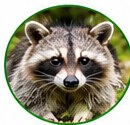
Raccoon Removal
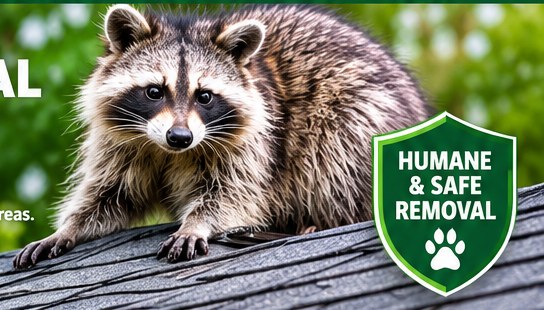
Raccoons may damage soffits, vents, shingles, and attic openings while looking for a den. Inspection can help locate activity and identify suitable removal and exclusion steps.
Protect your home and property from unwanted wildlife. Explore removal, exclusion, and prevention options for raccoons, squirrels, bats, skunks, opossums, birds, snakes, and other nuisance wildlife in High Point and nearby communities.
☎ Call (888) 652-4491High Point, North Carolina and surrounding Triad communities
Wild animals can enter attics, crawl spaces, rooflines, garages, sheds, and other sheltered areas. A good plan begins by identifying the animal and its access point, then choosing a safe and appropriate response. Our wildlife service information is designed to help High Point property owners understand common animal problems and prevention options.
Raccoons may damage soffits, vents, shingles, and attic openings while looking for a den. Inspection can help locate activity and identify suitable removal and exclusion steps.
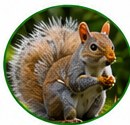
Squirrels can enter roof spaces through small gaps and chew building materials. Locate the entry route, assess damage, and plan ways to keep them from returning.
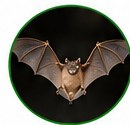
Bats may roost in attics and roof structures. Their removal is subject to wildlife protections and seasonal considerations, making identification and compliant exclusion essential.
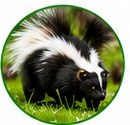
Skunks sometimes shelter beneath decks, porches, sheds, and steps. Assessing the den location helps determine appropriate options and prevention measures.
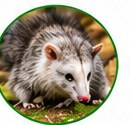
Opossums may use crawl spaces, garages, and other protected spaces. An inspection can identify access points and help plan a safe, practical response.
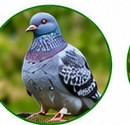
Birds nesting near eaves, vents, signs, and roof equipment can create cleanup concerns. Control work should respect nesting seasons and protected species.
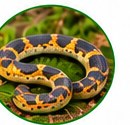
If you find a snake indoors or near a frequently used area, keep people and pets away. Do not handle it; identification helps determine the safest next step.
Scratching, movement, nesting material, and disturbed insulation may indicate an animal inside. Identify the source before closing access points.
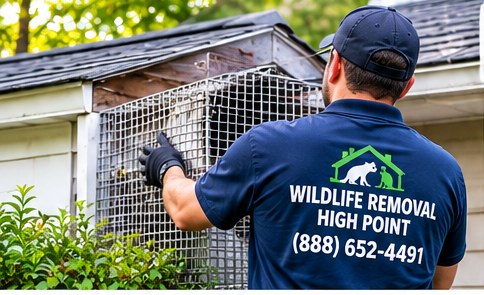
After wildlife has left, suitable repairs to vents, gaps, roof edges, and other openings can reduce the chance of another animal entering.
Discovering an animal in an attic, wall void, chimney, or crawl space can be stressful. Scratching sounds, damaged vents, droppings, nesting material, and disturbed insulation can all be signs of wildlife activity. The first step is to understand what animal may be present and how it is getting inside.
Wildlife control is not simply about getting an animal out. A complete approach may involve inspection, identifying entry points, checking for young or nesting animals, selecting a lawful removal method, and addressing openings that allowed access. Cleaning or repairs may also be appropriate depending on the property.
Every property is different. These common steps can help establish what is happening and which next steps make sense.
Share where activity is happening, when you hear or see it, and whether you have noticed damage. Keep a safe distance from animals and suspected nesting areas.
An assessment can help establish the likely species, route of entry, affected areas, and whether young animals or seasonal restrictions need consideration.
The appropriate approach depends on the species, location, safety considerations, and North Carolina or federal wildlife requirements.
Once animals are no longer inside, suitable exclusion repairs and prevention measures can help make the structure less accessible.
Call to discuss your wildlife concern in High Point, North Carolina.
Wildlife concerns can affect houses, apartments, rental homes, shops, offices, warehouses, and other buildings throughout High Point. Whether the concern is an animal in an attic, activity beneath a deck, birds around a roofline, or a possible crawl-space entry, the details of the property matter.
High Point is part of North Carolina's Piedmont Triad region. If you are contacting us from High Point or a nearby community, call to confirm whether your address is within the current service area and whether the requested service is available.
When you call, explain the type of building, the animal you suspect, where it was seen or heard, and whether there is visible damage. This information can help clarify the next step.
Answers to common questions from High Point property owners.
Note the time and location of the sounds and look for exterior damage from a safe position. Do not enter a confined space or try to catch the animal. Contact a qualified wildlife professional for advice.
Do not seal an opening until you know animals are no longer inside and dependent young are not present. Sealing an active entry can trap animals and cause additional damage.
Yes. Some bats and birds are protected, and timing or nesting status can affect what work is allowed. Proper identification and compliance with applicable rules are important.
Animals may return if access points and attractive shelter remain. Appropriate exclusion repairs and prevention measures can help reduce repeat activity.
Yes. Offices, shops, warehouses, and other commercial buildings can experience animal activity around roofs, loading areas, vents, and sheltered exterior spaces.
Call (888) 652-4491. Explain the animal activity, where it is occurring, and any immediate safety concerns. Confirm availability, pricing, and service details directly.
For wildlife removal inquiries in High Point, NC, call our team. Be prepared to describe the animal, where it was seen or heard, and any damage or urgent safety concerns. Do not touch wildlife, nests, droppings, or damaged wiring.
Phone: (888) 652-4491
Service location: High Point, North Carolina
Ask about inspection options, service availability, and next steps for your property.
Serving High Point, NC and nearby Triad communities.
View High Point Map ↗